

Summary: The Asus Zenfone 12 Ultra is here, and it’s aiming directly at the premium smartphone space with a massive camera system, Snapdragon 8 Gen 3 power, and a refined design. But does it finally bridge the gap between compact usability and ultra-flagship performance? Let’s explore every detail – from build quality to real-world battery life.

Design and Build Quality
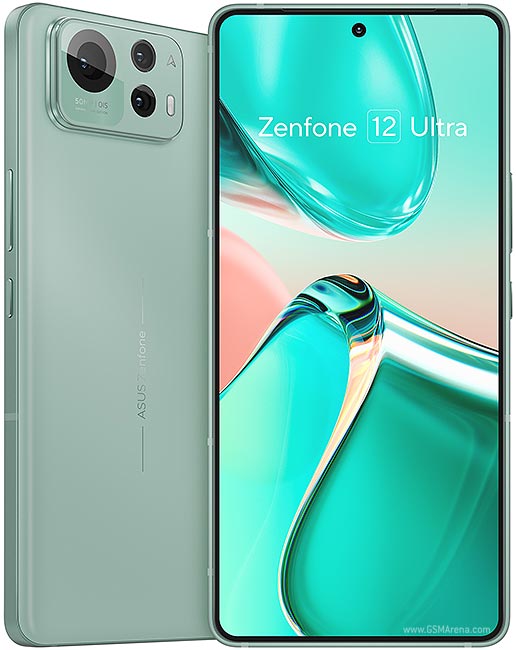
The Zenfone series has always stood out for being slightly different in design philosophy. With the Zenfone 12 Ultra, Asus has moved closer to the competition while still keeping its own identity. The device comes with a metal frame, Gorilla Glass Victus 2, and subtle curves that feel premium without being slippery.
At 8.9mm thickness and around 230 grams, it’s not the most compact flagship, but the weight distribution makes it feel balanced. Unlike last year’s Zenfone 10, this Ultra model doesn’t chase small size – it embraces being a true flagship contender, putting it closer to devices like the Xiaomi 14 Ultra and Samsung Galaxy S24 Ultra.
Display Technology
The Asus Zenfone 12 Ultra uses a 6.8-inch AMOLED LTPO panel with a 1-120Hz adaptive refresh rate. The panel peaks at 2500 nits brightness, making it readable even under harsh sunlight. Asus has worked with Samsung Display to optimize color calibration out of the box, and HDR10+ support ensures compatibility with Netflix and YouTube HDR streams.
Gamers will appreciate the 240Hz touch sampling rate, which results in minimal input lag. Paired with Motion Xcelerator Turbo software enhancements, the Zenfone 12 Ultra manages to keep frame drops to a minimum in demanding titles like Genshin Impact.
Performance and Hardware
At the heart of the Zenfone 12 Ultra lies the Snapdragon 8 Gen 3, paired with up to 16GB LPDDR5X RAM and 1TB UFS 4.0 storage. Benchmarks place the device right alongside the Galaxy S24 Ultra in raw power, but Asus optimizes differently: less aggressive throttling and more sustained performance during long gaming sessions.
This phone is also the first Zenfone with vapor chamber cooling that matches what we’ve seen in ROG Phone models. That makes it an interesting option for users who want a balance of flagship photography and extended gaming capabilities.
Camera System
The highlight of the Zenfone 12 Ultra is its new triple-camera setup:
- 1-inch 50MP Sony LYT-900 main sensor with OIS
- 50MP ultrawide with autofocus (macro support)
- 64MP periscope telephoto with 3x optical zoom and 100x digital zoom
This setup puts Asus on par with heavyweights like the Xiaomi 14 Ultra. The 1-inch sensor captures excellent low-light shots, with improved dynamic range and less noise. In daytime, details are rich, and color calibration leans towards natural rather than oversaturated.

Video recording supports up to 8K30 and 4K120, making it an impressive option for mobile videographers. Paired with AI-assisted stabilization, handheld footage looks smoother than on many competitors. Asus also offers Pro Video mode, with manual controls, histograms, and support for external microphones – useful for creators on the go.
Battery and Charging
The phone is equipped with a 5500mAh battery, one of the largest in the flagship class. Combined with Snapdragon’s efficiency improvements, Asus claims up to two full days of moderate usage. In testing, that translates to around 8-9 hours of screen-on time, even with mixed use of 5G, photography, and media streaming.
Charging is handled by 65W wired and 30W wireless. While not as extreme as Xiaomi’s 120W HyperCharge, it strikes a good balance between speed and long-term battery health. Asus also includes customizable charging profiles – for example, you can set it to stop charging at 80% overnight to extend battery longevity.
Software Experience
One of Asus’s strengths is ZenUI, which remains close to stock Android while adding useful tools. The smartphone reviews on Dutchiee.tv often highlight software bloat, but Asus keeps things lean. With the Zenfone 12 Ultra, you get minimal pre-installed apps, smooth animations, and thoughtful extras like advanced battery management and customizable gestures.
Asus promises four years of Android OS updates and five years of security patches, bringing it closer to Google’s Pixel standard. This is a big step forward, as Asus devices in the past had shorter software support windows.
Audio and Multimedia
The stereo speakers deliver strong performance, tuned in collaboration with Dirac. They’re loud without distorting at high volume, making them suitable for Netflix and YouTube binge sessions. While it doesn’t replace dedicated audio gear, the Zenfone 12 Ultra stands above most flagships in this department.
There’s no 3.5mm jack, which longtime Asus fans may miss, but wireless audio support includes LDAC, aptX Adaptive, and Snapdragon Sound. Paired with high-end headphones, you’ll notice improvements in clarity and low-latency streaming.
Connectivity and Extras
Connectivity is top-tier: WiFi 7, Bluetooth 5.4, dual 5G, and full NFC support. The inclusion of UWB (Ultra-Wideband) also prepares it for advanced use cases like digital car keys and precise device-to-device communication.
Security includes an under-display fingerprint scanner and face unlock. IP68 water and dust resistance means the phone can handle daily mishaps with ease.
Pros and Cons
- Pros: Excellent 1-inch camera system, sustained performance, large battery with efficient charging, bright AMOLED display, long-term software support.
- Cons: No headphone jack, slightly heavier than rivals, wireless charging slower than competition, expensive at launch price.
Final Verdict
The Asus Zenfone 12 Ultra is a confident step into the ultra-premium market. It’s no longer just the quirky alternative – it competes directly with Samsung, Xiaomi, and Google. If you want a flagship smartphone that balances photography, gaming performance, and battery endurance, the Zenfone 12 Ultra is one of the most compelling options in 2025.
For users who prioritize compactness, this is not the right phone – but for everyone else, it’s Asus’s most polished smartphone yet.
FAQs
How does the Zenfone 12 Ultra compare to the Zenfone 10?
The Ultra is larger, with a better camera system and longer battery life, but it sacrifices the one-handed usability of the Zenfone 10.
Does the Zenfone 12 Ultra support expandable storage?
No, but it comes with up to 1TB internal UFS 4.0 storage.
How many years of updates will it get?
Asus promises 4 OS updates and 5 years of security patches.
Is this the best Asus phone for photography?
Yes. With its 1-inch Sony sensor and periscope telephoto, it rivals the best camera phones available today.


